
15CDV6 is a low-carbon alloy steel based on chromium-molybdenum-vanadium family intended for high-strength structural applications in aerospace, racing car and defense industries. This type of steel has 0.15% carbon, 1.4% chromium, 0.9% molybdenum and 0.25% vanadium in its composition. Low carbon concentration allows this steel to be easily weldable without any cold cracking risks, chromium gives it hardening ability and oxidation resistance, molybdenum increases its strength both at room and elevated temperatures, and vanadium ensures fine-grain structure with increased toughness. This material is heat treatable and has tensile strength of more than 1100 MPa without loss of ductility and impact resistance. This type of steel is considered as having higher yield strength in comparison with SAE 4130 and better weldability in comparison with higher-strength alternatives such as 30HGSA.
15CDV6 ALLOY STEEL
Typical Applications
Roll Cages
Pressure Vessels
Rocket Motor Casings
Subframes
Track and Push rods
Wishbones
Uprights
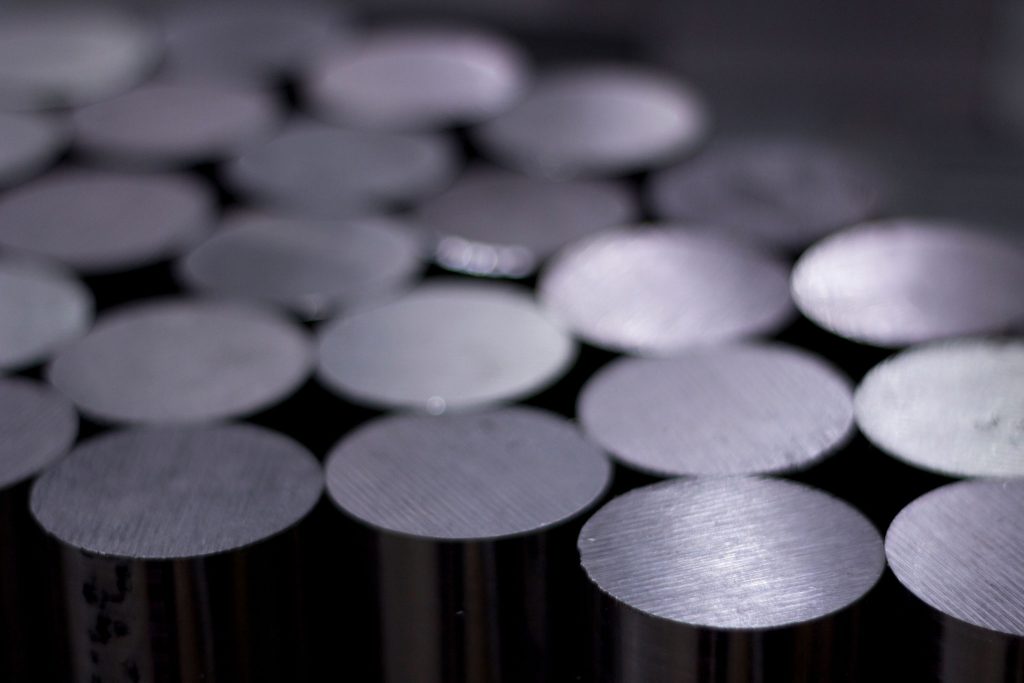
15CDV6 Alloy Steel Suppliers and Stockholders
Dynamic Metals is a specialist supplier and stockholder of 15CDV6 alloy steel, supplying aerospace, motorsport and defence industries with bar, sheet, tube and plate to W.Nr 1.7734, AIR 9160C and GT1000 since 1997. No minimum order quantities.
15CDV6 is a low carbon alloy steel with very good yield strength. It also has very good toughness and excellent weldability. Welding can be achieved without subsequent heat treatment and with negligible loss of properties. Related Specs - W.Nr 1.7734, AIR 9160C, GT1000
This material has one specific feature that sets this steel apart from similar types of metal. It is a possibility to weld this material without subsequent heat treatment and loss of any properties. This quality simplifies the process of work significantly, lowers production expenses and makes possible the fabrication of rather complicated structural assemblies.
In order to get such result, this type of steel has certain chemical composition which includes carefully balanced amount of chromium (1.25-1.50%), molybdenum (0.80-1.00%), vanadium (0.20-0.30%), and low carbon (0.12-0.18%). This combination results in tensile strengths in range from 980 to 1280 MPa depending on the heat treatment condition; yield strength of more than 930 MPa in case of fully hardened state. Chromium makes metal more hardenable and resistant to degradation at elevated temperature, molybdenum increases the strength and creep resistance. The fine carbides formed due to vanadium make the structure tougher and improve the impact strength.
Heat treatment of the material by means of quenching and tempering may provide hardness range 291-352 HB for this material (W.Nr 1.7734, AIR 9160C, GT1000). This gives the possibility to create materials resistant to wear when exposed to friction and abrasive environment.
Excellent strength-to-weight ratio of this material compared with other alloys is another advantage of the material that makes it very popular in aerospace industry.
Thermal stability of this steel provides good performance of mechanical properties at elevated temperatures – material can operate at temperature not exceeding 400°C. The heat resistance and fatigue resistance makes this an excellent choice for components working under cyclic loading.
Main applications include roll cage construction of race cars, pressure vessels for rocket propulsion systems, solid rocket motor cases, fuselage construction parts, aircraft stringers, suspension components such as wishbones and push rods, structural subframes, landing gear elements, high load bearing fasteners of aerospace assemblies. The material's excellent weldability makes it practical for fabricating complicated trusses and space frames.
Related Products
Technical specification
Related Specifications
Specific Gravity
Chemical Composition (WT %)
Typical Mechanical Properties (in the solution treated condition)
What are the properties of 15CDV6 Alloy Steel?
Can 15CDV6 be welded without heat treatment?
Yes, one of the most valuable features of this material is ability to weld without any additional heat treatments.
Unlike many other high-strength steels which become brittle and susceptible to cold cracking after welding, due to its low carbon content and proper balance of alloys 15CDV6 allows welding by conventional methods such as TIG (GTAW), MIG (GMAW) and even stick (SMAW) with no risk of cracking and properties reduction in heat-affected zone. Proper joint preparation and choice of filler metals (for example, 8CD12) are still important factors, but the possibility to avoid any pre-welding or post-welding heat treatment greatly simplifies manufacturing process and reduces its cost, especially in case of large structural assemblies which cannot be heated in conventional heat treatment furnaces.
It makes this material very practical material for fabrication of complex aerospace frames, roll cages and pressure vessels.
What are typical applications for 15CDV6 steel?
The main applications of this alloy steel are related to weight-critical and highly stressed parts in aerospace, racing car and defense industry. In aerospace industry this alloy steel is used in manufacturing of fuselage structures and stringers, landing gear components, rocket motor casings, pressure vessels and structural fasteners in order to provide high strength-to-weight ratio.
In motorsport industry this steel is used for manufacturing of roll cages, components of suspension systems such as wishbones and track rods, subframes and uprights which are required to withstand heavy impact loads under weight limitations.
Defence industry applications include components for military vehicles and systems requiring ballistic resistance combined with structural integrity.
How does 15CDV6 compare to similar aerospace steels?
There are some features that make this alloy steel preferable to alternative types of aerospace steels. For instance, this particular type of alloy steel provides significantly higher yield strength (930 MPa versus 650-850 MPa) than SAE 4130 (25CrMo4), and similar to this type of steel weldability and toughness. This material of alloy steel has almost the same strength in comparison with traditional aerospace structural steel 30HGSA but has significantly higher weldability which allows to avoid any post-weld heat treatment needed for 30HGSA steel.
It makes fabrication of large and complicated structures much simpler and cheaper. Vanadium alloy improves grain structure of steel in comparison with molybdenum alloys and provides higher impact resistance and fatigue resistance. While steels such as 4340 can provide higher ultimate strength, they have lower weldability and more complicated heat treatment protocols.

Need more information? Get in touch